
Is Local Pork Really Better Than the Big Brand Bacon?
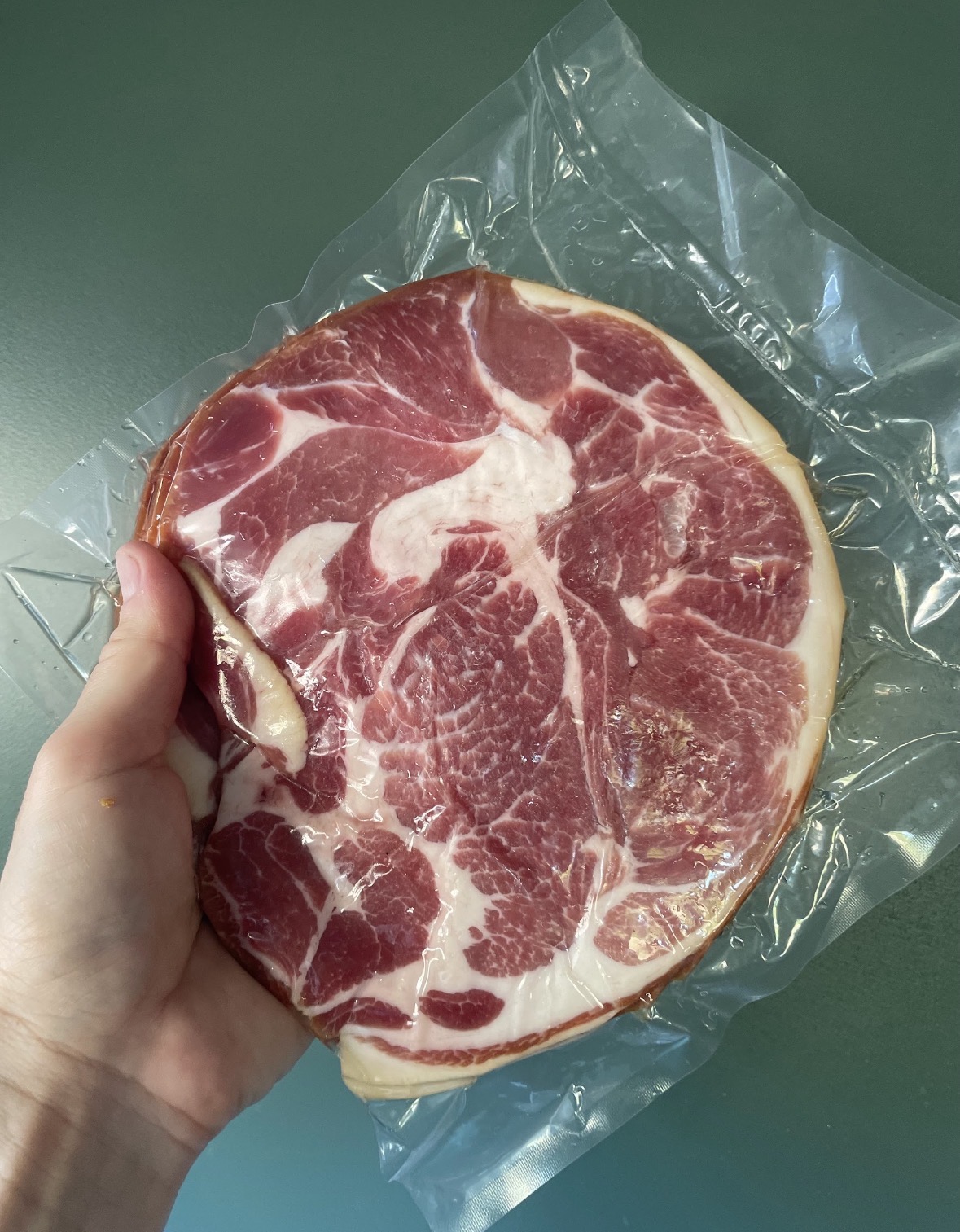
Marbled Ham
One of the most common questions we get is: “Why should I buy local pork when the supermarket brands look the same — and sometimes cheaper?” It’s a fair question, especially when the packaging on big‑name bacon looks proudly Kiwi. But once you look past the branding, the difference between local pork and locally packaged pork becomes very clear.
Is Most Bacon in New Zealand Actually Local?
Short answer: no. New Zealand simply doesn’t produce enough pork to meet demand, so imports fill the gap. According to NZPork and MPI data, New Zealand imported over 40,000 tonnes of pork in 2023, mostly from the United States and Canada. Around 60% of all pork eaten in New Zealand is imported, and about 85% of that imported pork becomes bacon or ham.
So when a pack says “Made in New Zealand,” it usually means the processing happened here — not the farming.
Why Does the Origin of Pork Matter?
When people ask this, they’re usually wondering about quality, welfare, and transparency. Here’s the simple version:
- New Zealand has some of the world’s highest animal‑welfare standards. Many exporting countries still allow practices banned here.
- Biosecurity matters. New Zealand is free of diseases like African Swine Fever. Not all exporting countries are.
- Freshness changes everything. Imported pork can travel thousands of kilometres before it even reaches a New Zealand factory.
When you buy local pork, you know exactly how it was raised, and you support the standards that protect our farms.
Why Are Labels Still Confusing?
Even with improved country‑of‑origin rules, labels can still be tricky. Fresh and cured pork must show where the meat was raised, but many processed products don’t follow the same rules. Some bacon labels list multiple possible countries, and the origin is often tucked away on the back.
This is why so many people think they’re buying local when they’re not.
So What Do You Actually Get When You Buy Local Pork?
This is the part people really want to know — what’s the real difference?
You get:
- shorter supply chains,
- fewer transport emissions,
- better freshness,
- higher welfare standards, and
- a direct connection to the farm.
For us at Gielen Family Farm, that connection is simple and close. We’re just 35km from Christchurch, so our pork travels a tiny fraction of the distance imported pork does. Fewer kilometres mean lower CO₂ emissions, less handling, and meat that reaches your butcher or kitchen in its best condition.
Our pigs live outdoors, paddock‑grazed, and raised slowly — not pushed for commercial speed. That approach creates better marbling, richer flavour, and pork that tastes like pork should.
The Bottom Line: Local vs Brand Name
If the label doesn’t clearly say “Born and raised in New Zealand,” the pork probably isn’t local. Buying local pork supports Kiwi farmers, protects our high standards, reduces emissions, and gives you the quality you think you’re paying for.
So if you’re wondering whether New Zealand pork is really local, the answer depends entirely on the label. Ask your butcher, look for NZPork origin labels, or buy directly from farms like ours here in Motukarara.