
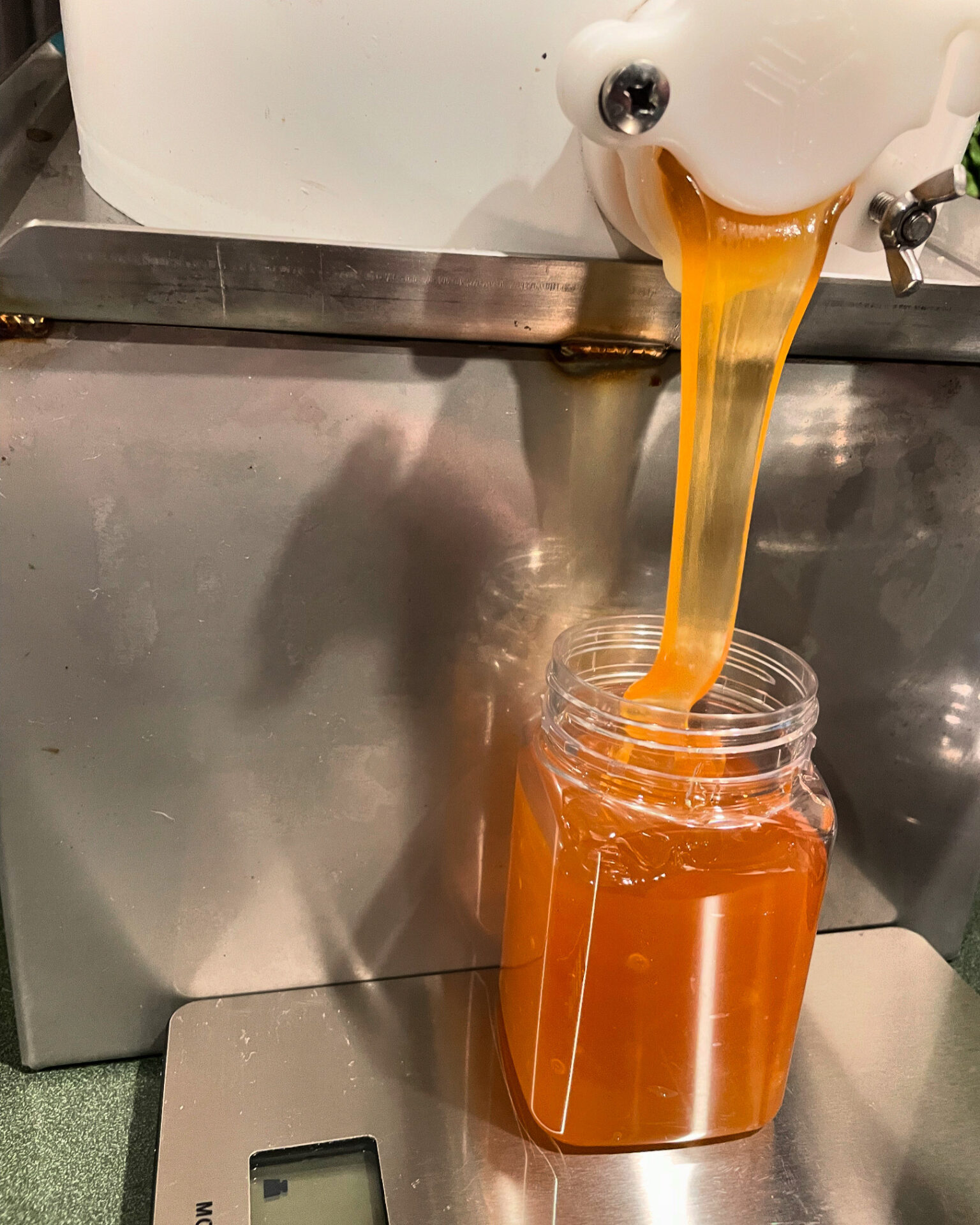
Honey extraction, Canterbury
When to Extract Honey in Canterbury, New Zealand: A Comprehensive Guide for Beekeepers
Mark your calendars! The honey extraction season is a crucial time in the beekeeping calendar. Understanding the optimal timing for honey extraction is essential for producing high-quality honey and maintaining healthy hives. Let’s explore the best practices for honey extraction in our region.
Honey Extraction Season in Canterbury
In Canterbury, the honey extraction season typically runs from late spring through summer, with some variations depending on the specific honey variety and local conditions.
General Extraction Timeline:
- Early Season: Late November to December
- Peak Season: January to February
- Late Season: March to early April
Factors Influencing Extraction Timing in Canterbury:
- Floral Sources: our diverse flora contributes to a variety of honey types, each with its own optimal extraction time:
- Clover Honey: Late December to February
- Manuka Honey: Late January to February (depending on location)
- Honeydew: Throughout summer, peaking in January and February
- Weather Conditions: Canterbury’s weather plays a significant role in honey production and extraction timing:
- Warm, dry summers promote better nectar flow
- Avoid extracting during wet or windy periods
- Monitor local weather forecasts to plan extraction days
- Hive Readiness: Assessing your hives is crucial before extraction:
- Aim for 80% capped honeycomb cells
- Check honey moisture content (ideally below 18%)
- Ensure sufficient honey remains for bee winter stores
Canterbury-Specific Extraction Considerations
The diverse landscapes affect honey production:
- Plains: Earlier honey flow, often dominated by clover
- Foothills: Mixed floral sources, potentially later season
- High Country: Shorter season, unique honey varieties
Canterbury produces several distinctive honey varieties:
- Plains Clover Honey
- Light color, mild flavor
- Main extraction period: January to February
- Foothills Honeydew
- Dark, rich flavor
- Extracted throughout summer
- High Country Manuka
- Strong, distinctive taste
- Late-season extraction: February to March
Extraction Process for Beekeepers
Step 1: Prepare Your Extraction Space
- Choose a bee-proof indoor area
- Consider using local Bee Club extraction facilities
- Ensure food-grade certified environment for commercial extraction
Step 2: Remove Honey Frames
- Leave 6 full frames per hive for winter stores
- Use bee escapes or gentle brushing techniques
Step 3: Uncapping
- Use a heated knife or uncapping tool
- Collect wax cappings for beeswax products
Step 4: Extraction
- Use a manual or electric extractor
- Spin frames to remove honey via centrifugal force
- Extract on warm days for better honey flow
Step 5: Straining and Storage
- Strain honey through food-grade filters
- Store in clean, airtight containers
- Keep honey at room temperature, away from direct sunlight
Best Practices for Canterbury Honey Extraction
- Monitor Hive Health: Regular inspections ensure optimal extraction timing
- Use Clean Equipment: Maintain food-grade standards for all extraction tools
- Prevent Robbing: Extract away from apiary sites to avoid attracting pests
- Sustainable Practices: Leave adequate honey for bee colonies
- Quality Control: Test honey moisture content before extraction
Canterbury Honey Varieties and Their Extraction Periods
| Honey Type | Typical Extraction Period |
| Clover | Late December – February |
| Manuka | Late January – March |
| Honeydew | Throughout Summer |
| Kamahi | January – February |
| Thyme | Late December – January |
By understanding and following best practices for honey extraction, Canterbury beekeepers contribute to maintaining high-quality honey production,supporting local ecosystems and pollination as well as preserving Canterbury’s unique honey varieties.
Timing is Everything in Canterbury Honey Extraction
Successful honey extraction relies on careful timing and attention to local conditions. By considering floral sources, weather patterns, and hive health, beekeepers can optimize their honey harvest while ensuring the well-being of their colonies.
Remember, each season brings its own challenges and rewards. Stay connected with local beekeeping associations and adapt your extraction schedule to the unique characteristics of your apiary location within Canterbury.
Whether you’re tending hives on the Canterbury Plains, in the foothills, or the high country, understanding the nuances of when to extract honey will help you produce the finest honey has to offer.
Citations:
[1] https://www.ecrotek.co.nz/learn/articles/detail/extraction-made-easy
[2] https://apinz.org.nz/nz-honey/
[3] https://www.ecrotek.co.nz/learn/articles/detail/extracting-honey-from-your-frames
[5] https://www.midlandsnz.com/our-services/bees
[6] https://www.midlandsnz.com/a-comprehensive-guide-to-new-zealand-honey