
The Buzz on Tutin: A Beekeeper’s Guide in New Zealand
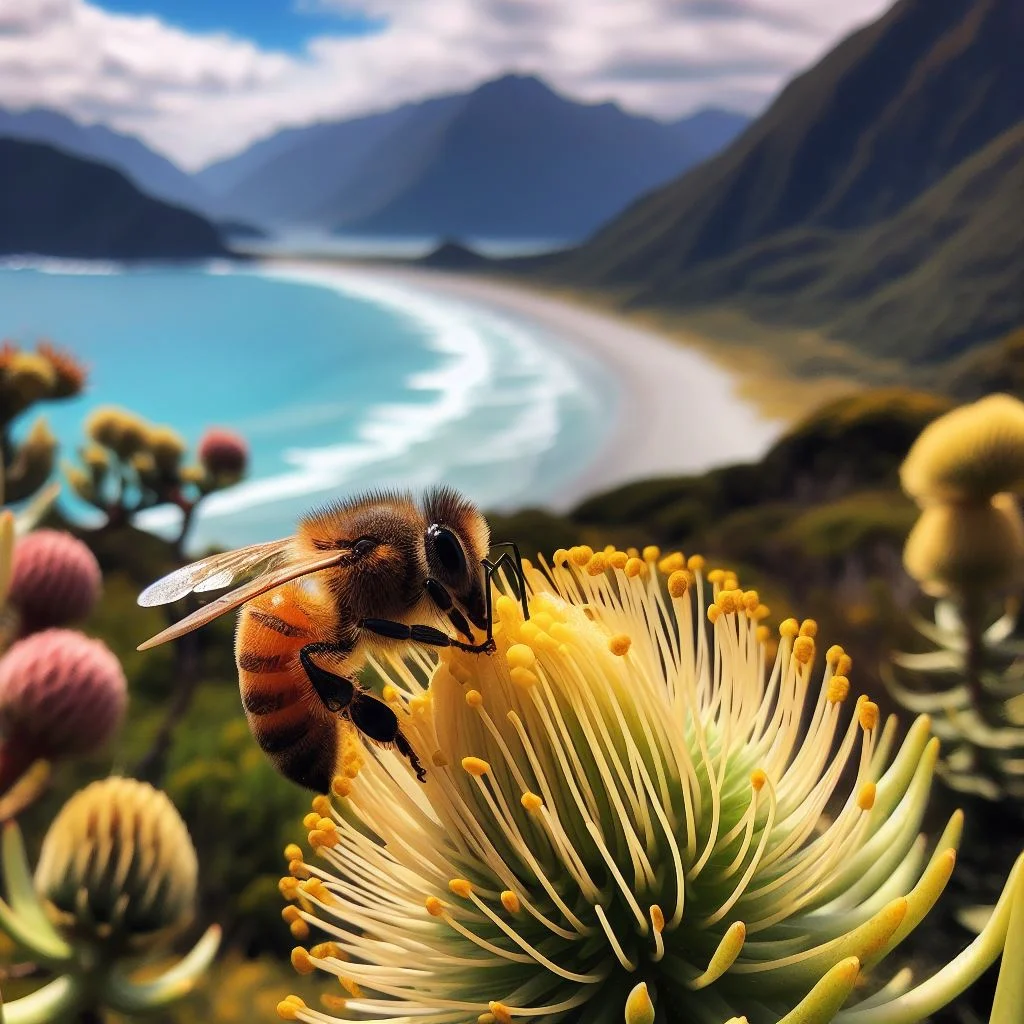
Today, we’re going to delve into a topic that’s buzzing in the beekeeping world in New Zealand – Tutin.
What is Tutin?
Tutin is a neurotoxin found in tutu bushes, harmless to our buzzing friends, the bees, but toxic to mammals, including us humans. It’s a unique phenomenon that occurs when bees collect honeydew made by passion-vine hoppers (Scolypopa australis) that have been feeding on tutu (Coriaria arborea). While harmless to bees, it’s toxic to mammals, including humans. The toxin makes its way into honey when bees collect honeydew produced by passion-vine hoppers that have been feeding on tutu.
Why is Tutin a Concern?
The presence of Tutin in honey can pose serious health risks. The ingestion of tutin can lead to serious health issues. There have been instances of poisoning due to tutin-contaminated honey, with symptoms similar to those of tutu poisoning, such as vomiting, headache, and delirium.
How Does Tutin Get into Honey?
You might be wondering how Tutin ends up in our honey. Well, it’s all about the food chain. The tutu bush is a native plant found throughout New Zealand. These risk areas include all of the North Island and the top of the South Island of New Zealand. High risk areas specifically include Coromandel, Eastern Bay of Plenty, and Marlborough. It’s important for beekeepers in these areas to be particularly vigilant and adhere to safety standards to prevent tutin contamination in honey. When passion-vine hoppers feed on this bush, they produce a honeydew that our bees can’t resist. When bees collect this honeydew, Tutin can get transferred into the honey.
What Can We Do as Beekeepers?
As responsible beekeepers, it’s our duty to ensure the safety of the honey we produce. As beekeepers, it’s important to be aware of the risks of tutin and to adhere to the safety standards set by the Australia New Zealand Food Standards Code. These standards specify the maximum allowable levels of tutin in honey and honeycomb.
Tutin is a significant concern for us beekeepers in New Zealand. But with careful management and adherence to food safety standards, we can ensure our honey is safe and delicious. Remember, beekeeping is not just about producing honey; it’s about maintaining the balance of our ecosystem.